What You Need to Know
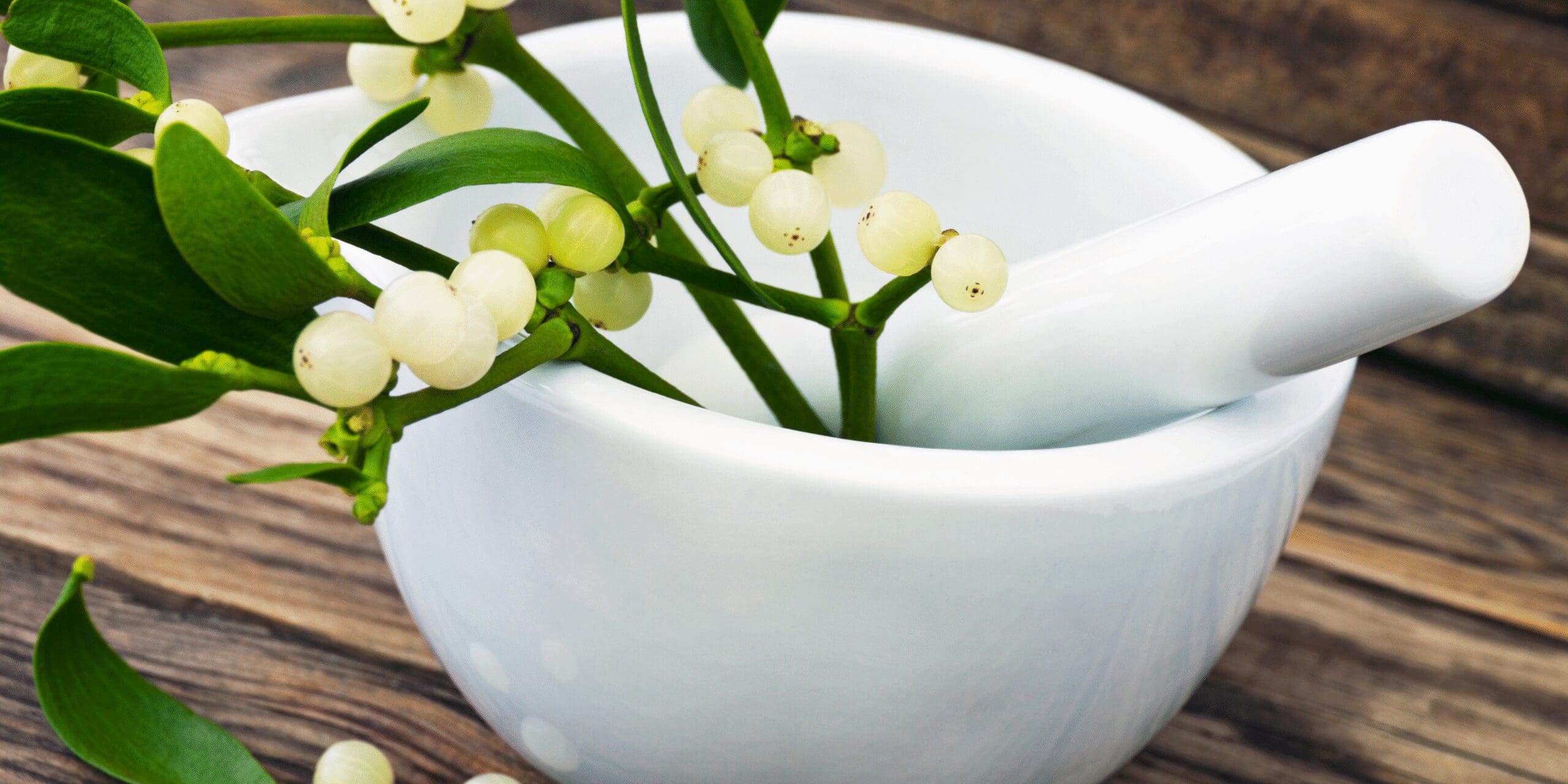
European mistletoe (Viscum album) is a plant that grows on various tree species. In integrative oncology, it is used as a complementary cancer therapy. The plant is processed into an extract that can be administered either as a subcutaneous injection or as an intravenous (IV) infusion. Mistletoe should only be used under the supervision of a qualified healthcare practitioner.
In supportive cancer care, mistletoe is used to help:
- Strengthen the immune system
- Support overall quality of life
- Reduce symptoms and treatment-related side effects
- Improve treatment tolerance or potentially slow disease progression
Mistletoe is not a cure for cancer and should never replace conventional treatments such as chemotherapy, radiation, or surgery.
Mistletoe has been shown to improve these symptoms:
- Appetite
- Energy and vitality
- Immune function
- Weight maintenance
- Digestive symptoms (nausea, vomiting, diarrhea)
- Pain
- Sleep
- Nerve-related symptoms (neuropathy)
- Physical functioning
Clinical Trials and Studies on Mistletoe Therapy:
Mistletoe therapy has been examined in over 150 clinical trials, many demonstrating improved quality of life in people undergoing cancer treatment. Mistletoe contains more than 1,000 active constituents that appear to support immune activity, defense mechanisms, and overall wellbeing. Here are a few to highlight:
Breast Cancer
- Pelzer et al., 2018:
95 post-surgical breast cancer patients received chemotherapy with or without mistletoe (Helixor A or Iscador M). The mistletoe group reported better functioning in emotional wellbeing, pain, and digestion. Only mild skin reactions occurred. - Troger et al., 2014:
In 65 breast cancer patients, those taking mistletoe (Helixor A) with chemotherapy experienced significant improvements in emotional and social wellbeing and pain reduction. Mistletoe was overall safe. - Semiglazov et al., 2004:
A double-blind, placebo-controlled study with 272 participants found significant improvements in quality of life and immune markers (CD4 count, CD4/CD8 ratio). Side effects were minimal. - Semiglazov et al., 2006:
A follow-up study (352 participants) confirmed improved quality of life and good tolerability. Local reactions occurred in 17.6%. - Troger et al., 2009:
In a study of 61 non-metastatic patients, mistletoe (Iscador M) improved multiple quality-of-life measures, with fewer cases of neutropenia.
Osteosarcoma
- Longhi et al., 2020:
Patients receiving mistletoe showed dramatically longer progression-free survival (106 months vs. 7 months with etoposide). Long-term survival also appeared higher. - Longhi et al., 2014:
Patients receiving Iscador P three times weekly for one year had higher one-year disease-free survival (55.6% vs. 12%) and better quality of life with minimal side effects.
Pancreatic Cancer
- Troger et al., 2013:
220 patients with pancreatic cancer lived 77% longer when treated with mistletoe (Iscador Q) compared to standard care alone. They also reported reduced pain, weight loss, nausea, and anxiety. - Troger et al., 2014:
Further analysis showed improvements in overall health, fatigue, and weight. - Reif et al., 2019:
Mistletoe users required fewer and weaker pain medications.
Gastric (Stomach) Cancer
- Kim et al., 2012:
In 32 patients, mistletoe improved global health status, reduced pain, improved appetite and eating ability, and reduced hair loss. Immune markers (WBCs, eosinophils) increased. No serious adverse events occurred.
Esophageal Cancer
- Enesel et al., 2005:
In 70 patients, those receiving Isorel A had significantly higher immune markers, including lymphocytes, immunoglobulins, complement proteins, and NK cells.
Lung Cancer
- Bar-Sela et al., 2013:
In 72 NSCLC patients, mistletoe (Iscador Q) reduced severe toxicities, hospitalizations, neuropathy, and
Colon Cancer
- Bar-Sela et al., 2004:
In metastatic colorectal cancer patients resistant to chemotherapy, 40% experienced symptom relief (fatigue, nausea, vomiting, bowel changes, dyspnea). Side effects were mild.
Various Cancers
- Mansky et al., 2013:
Phase I study combining mistletoe (Helixor A) with gemcitabine showed no negative drug interactions. Side effects were mild. Some patients had stable disease or partial response. - Piao et al., 2004:
In 233 participants with breast, ovarian, or NSCLC cancers, quality of life and functional scores improved significantly with mistletoe, with fewer adverse events.
How Does Mistletoe Work?
1. Immune Enhancement
Mistletoe may increase:
- Lymphocytes
- Natural killer (NK) cells
- Cytokines
- Mistletoe-specific antibodies
2. Direct Cancer Cell Effects
Mistletoe may trigger cancer cell death (cytotoxicity), potentially slowing growth and spread.
Key takeaways:
- Improves quality of life and reduces treatment side effects
- Mixed evidence for tumor shrinkage and survival benefit
- Results vary due to different extracts, cancer types, and treatment stages
Impact of Mistletoe Therapy
Impact on Immunity:
- Increases NK cells and lymphocytes
- Reduces immune suppression after surgery
- Does not increase neutrophils
Impact on Quality of Life:
Systematic reviews show improvements in:
- Nausea
- Vomiting
- Diarrhea
- Appetite
- Pain
- Fatigue
Impact on Survival:
Some studies show longer survival, while others show no change. While clinical data regarding direct survival benefits can vary between studies, it is important to approach these findings with a grounded perspective. Oncology is increasingly moving toward multimodal care, and it is rare for any single agent to serve as a universal solution across the vast landscape of different cancer types.
The current research landscape highlights a more nuanced, yet highly encouraging, application for this therapy:
Focus on Treatment Resilience
Rather than viewing this as a standalone cure, its primary value lies in its role as a supportive therapeutic. The data frequently demonstrates that this intervention can significantly improve a patient’s tolerance to standard-of-care treatments like chemotherapy and radiation.
- Protocol Adherence: The most critical factor in long-term outcomes is often the ability to complete a prescribed treatment course without interruptions or dose reductions.
- Indirect Survival Benefits: When a patient can remain on their primary protocol to completion due to improved physical resilience, the likelihood of a successful clinical outcome increases.
The Role of Ongoing Research
As is standard with evolving chemotherapy and radiation protocols, “more research” is not a sign of failure, but a commitment to optimization. Continuous study allows us to:
- Identify which specific patient profiles benefit most.
- Refine dosing and timing to maximize the synergistic effects with standard treatments.
- Integrate these therapies into comprehensive care plans that address the whole person.
For those considering this therapy, the most realistic and promising outlook is its potential to serve as a “bridge”—strengthening the body so that the primary treatments can do their work most effectively.
Here is a summary from a study showing the use of mistletoe and reaching 10 year survival rates which is extremely promising:
| Types of Cancer | Groups | 10 Year Survival % | p-value |
|---|---|---|---|
| Colorectal | Mistletoe Control | 50.8 41.9 | 0.002 |
| Lymphoma/Leukemia | Mistletoe Control | 81.4 29.3 | <0.001 |
| Breast | Mistletoe Control | 86.1 61.2 | <0.001 |
| Malignant Melanoma | Mistletoe Control | 88.5 57.3 | <0.001 |
| Pancreatic | Mistletoe Control | 13.6 2.5 | 0.003 |
REFERENCE: Stumpf, C et al: Phytomedicine, 14, 2007, SVII 42
Is Mistletoe Safe?
Mistletoe has a strong safety profile, with the following precautions:
Avoid or use with caution in:
- Mistletoe allergy
- Pregnancy or breastfeeding
- Use of immunosuppressant medications
- Autoimmune disease (often beneficial, but to be used cautiously and closely monitored)
- Brain tumors (risk of inflammation)
- Blood cancers—especially acute leukemias (limited data)
Compatibility:
- No known negative interactions with chemotherapy, radiation, or surgery
- Early data suggests safe alongside immunotherapy and targeted therapy
Mistletoe must be used under medical supervision.
Side Effects
Most side effects are mild and very short lived (24-36 hours), including:
- Injection-site redness, swelling, itching
- Fatigue
- Mild fever
- Flu-like symptoms
- Headache
- Diarrhea
As with any new agent exposed to the body, there is always the possibility of a severe reaction or allergy, although this is very rare and may include angioedema, anaphylaxis and/or hypotension. This is why this treatment is always monitored by a medical professional.
Cost of Mistletoe Therapy:
Monthly cost for subcutaneous injections typically ranges from $175–$250, depending on dosing.
Dosing
At our clinic:
- Administered as subcutaneous injections or IV therapy
- Dose and administration route depends on cancer type, stage, medical history, goals, proximity to the clinic and other treatments
- Therapy begins at a low dose and increases gradually
- Treatment may last months to years if beneficial and well tolerated
How Long Has Mistletoe Been Used?
Mistletoe has been used in integrative oncology since 1917.
When is Mistletoe Therapy helpful in treatment?
During Active Treatment
Mistletoe therapy may help manage some of the most common and difficult side effects of chemotherapy and radiation, such as fatigue, nausea, and appetite loss. Clinical experience shows it can also help support immune function, making it easier for patients to tolerate ongoing treatments without as much disruption to their daily lives and decreasing the likelihood of needing to pause treatment with increased resilience to side effects of chemotherapy.
After Treatment Completion
Many individuals continue to face lingering symptoms such as low energy, inflammation, and changes in mood or appetite. Mistletoe therapy can be used in this phase to help restore energy reserves, improve resilience, and stabilize immune function, supporting a more complete recovery and helping patients feel more like themselves again.
Palliative or Supportive Care
Mistletoe therapy may be chosen for its gentle, well-tolerated nature and its ability to improve comfort and quality of life. For individuals with advanced or metastatic cancer, it may help increase energy, stimulate appetite, reduce pain, and promote a greater sense of well-being during daily life, even when other treatment options are limited.
When Mistletoe Therapy May Be Recommended:
- Changes in energy and daily function – Cancer and its treatments can lead to fatigue, reduced stamina, and difficulty with everyday tasks. Mistletoe therapy may help restore vitality, improve appetite, and support resilience so you can feel more like yourself.
- Cancer-related pain – Pain can significantly impact comfort and quality of life. Mistletoe therapy may help ease discomfort and enhance the effectiveness of other pain management approaches.
- Cancer in one area of the body – When used alongside treatments such as chemotherapy, radiation, or surgery, mistletoe therapy may support recovery, improve treatment tolerance, and help the body cope more effectively.
- Cancer that has spread – In cases where cancer has reached multiple areas, the focus is often on comfort, energy, and overall well-being. Mistletoe therapy may help sustain strength, improve appetite, and support quality of life.
- During chemotherapy – Chemotherapy can cause fatigue, nausea, and a weakened immune system. Mistletoe therapy may help improve tolerance to treatment, support immune health, and shorten recovery time between cycles.
- In cancer survivorship – While an individual is trying to reach the milestones of 5 years and 10 years cancer-free. By continuing this therapy, you are able to play a more proactive role in supporting your body’s recovery and resistance to recurrence between the routine screenings.
To learn more about Mistletoe therapy contact us to schedule a complimentary exploratory call. Or book an appointment online here.